April 23, 2026
Proper roof care is essential for protecting a home’s structure, energy efficiency, and long-term value. Most homeowners do not realize how many factors go into determining whether a roof simply needs minor upkeep or more significant intervention. This is where professional insight becomes important. Roofing contractors use a structured evaluation process to identify early warning signs, assess material condition, and determine what maintenance steps are necessary to extend a roof’s lifespan. Their assessments are not based on guesswork but on a combination of visual inspection, structural knowledge, and environmental awareness. According to the Roofers Guild, the average size of a residential roof across the U.S. is approximately 1,600 square feet, which highlights just how much surface area must be carefully evaluated during an inspection. Because of this complexity, professional evaluation ensures that no detail is overlooked and that maintenance decisions are based on accurate, real-world conditions rather than assumptions.
Inspecting Visual Condition and Surface Indicators
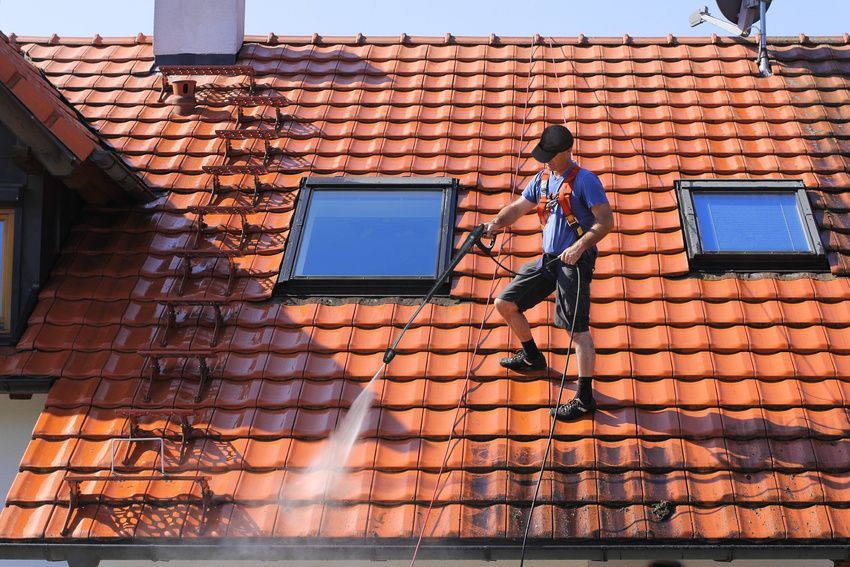
The first step in understanding a roof’s condition involves a detailed visual inspection. This includes looking for missing shingles, discoloration, sagging areas, and signs of surface deterioration. Even small imperfections can indicate underlying issues that may worsen over time if not addressed. During this stage, roofing contractors carefully document visible concerns to establish a baseline understanding of the roof’s overall condition.
This visual assessment also helps identify environmental wear caused by sun exposure, wind damage, and seasonal weather changes. Granule loss on shingles, for example, can indicate aging materials that are nearing the end of their effectiveness. By evaluating these surface-level indicators, professionals can determine whether maintenance is sufficient or if more extensive repairs are required. This step ensures that early warning signs are not overlooked, helping homeowners avoid more costly damage in the future.
Evaluating Structural Integrity and Load Performance
Once the surface has been assessed, attention shifts to the roof’s structural integrity. This involves examining the underlying framework to ensure it can properly support the roofing materials and withstand environmental stress. Weak framing, uneven settling, or compromised supports can all lead to serious long-term issues if not addressed promptly. At this stage, roofing contractors focus on identifying structural weaknesses that may not be visible from the exterior alone.
Structural evaluation also considers how the roof performs under weight and pressure, including snow accumulation and heavy rainfall. These factors can place significant strain on the system over time, especially in regions with seasonal weather extremes. A strong structural foundation is essential for long-term durability, and identifying vulnerabilities early allows for preventative maintenance rather than reactive repairs. This approach helps preserve both safety and performance.
Checking Material Wear and Age-Related Deterioration
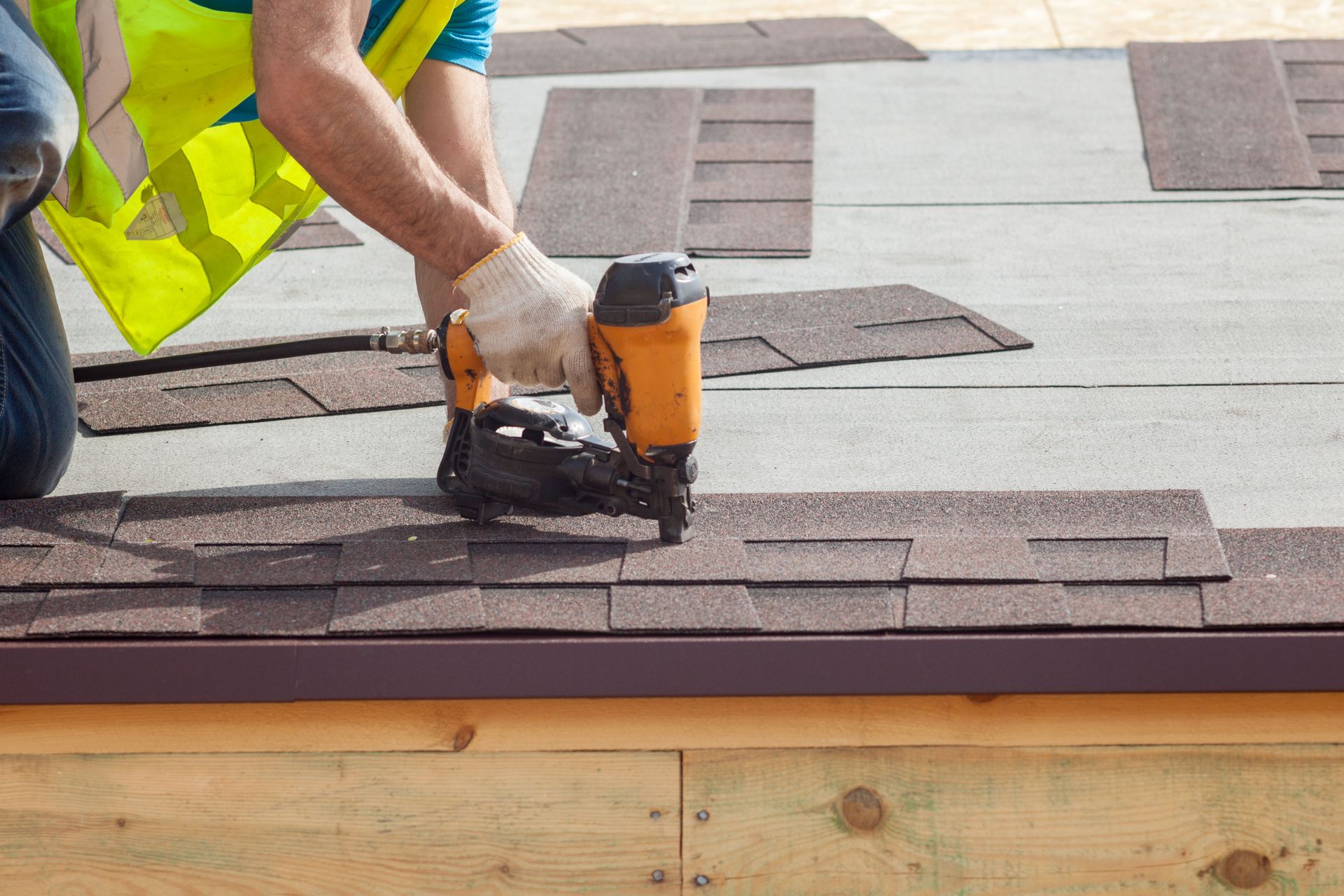
Roofing materials naturally degrade over time, and understanding their condition is a key part of any maintenance assessment. Shingles may curl, crack, or lose protective granules, while metal roofing can develop corrosion or fastener issues. These signs of aging are important indicators of how much life remains in the system. Roofing contractors evaluate these conditions to determine whether repairs, partial replacement, or ongoing maintenance is the best course of action.
Age is also a critical factor in evaluating material wear related to age. Most roofing systems have an expected lifespan, but environmental conditions can shorten or extend that timeframe. For example, roofs exposed to intense sunlight or frequent storms may deteriorate faster than those in milder climates. By combining material condition with age data, professionals can provide a more accurate forecast of future maintenance needs and help homeowners plan accordingly.
Surveying Drainage Systems and Moisture Control
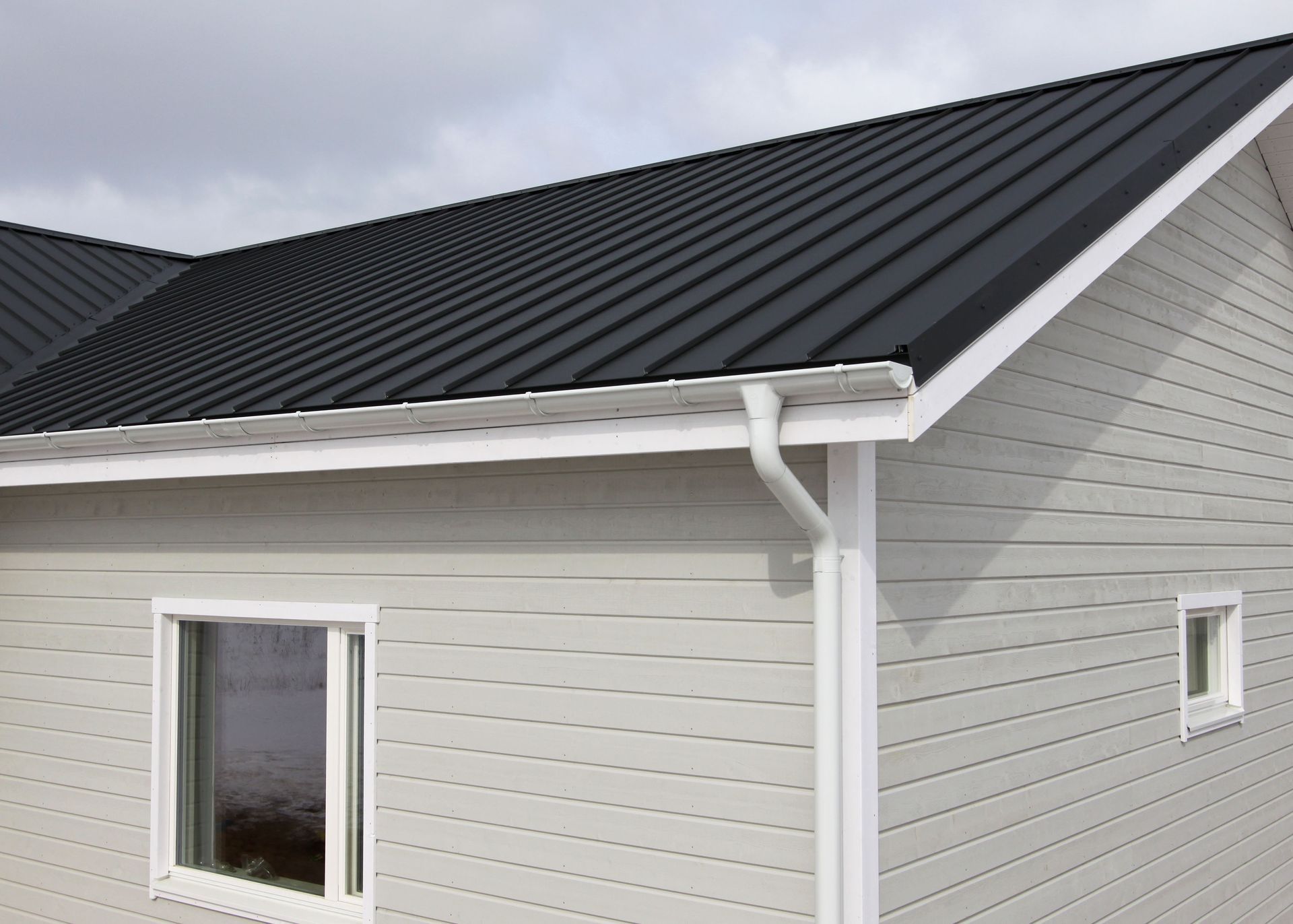
Effective water management is essential for maintaining a healthy roof. Poor drainage can lead to standing water, leaks, and long-term structural damage. During this stage of assessment, professionals examine gutters, downspouts, and slope design to ensure water is properly directed away from the home. Roofing contractors are trained to pay close attention to any areas where water may collect or flow improperly, as these are common sources of hidden damage.
Moisture intrusion is one of the most damaging issues a roof can face. Even small leaks can lead to mold growth, insulation damage, and weakened structural components. By evaluating how effectively a roof manages moisture, contractors can identify vulnerabilities before they escalate into major problems. This preventative focus is essential for maintaining both roof performance and overall home safety.
Assessing Underlayment and Hidden Roofing Layers
While the surface of the roof is important, much of its true performance depends on what lies beneath. Underlayment and hidden layers provide essential protection against moisture and environmental stress. However, these components can degrade without visible signs, making professional evaluation critical. At this stage, roofing contractors look for subtle indicators that may suggest hidden deterioration or compromised materials beneath the surface.
This process often involves identifying soft spots, uneven areas, or signs of previous repairs that may have weakened the system over time. Because these issues are not always visible from the outside, experience and technical knowledge are essential for accurate assessment. Understanding the condition of these hidden layers allows for more precise maintenance planning and helps prevent unexpected failures.
Reviewing Maintenance History and Long-Term Planning
A roof’s maintenance history provides valuable insight into its current condition and future needs. Previous repairs, inspection records, and material replacements all help build a clearer picture of overall performance. By reviewing this history, roofing contractors can identify recurring issues and determine whether they indicate a larger underlying problem.
Long-term planning is also a key part of this evaluation. Rather than focusing solely on immediate repairs, professionals consider how the roof will perform over the next several years. This includes anticipating material aging, environmental exposure, and potential structural changes. A well-documented maintenance history allows for more accurate forecasting and better decision-making regarding future upkeep.
Analyzing Ventilation and Airflow Efficiency
Proper ventilation is a critical factor in maintaining a healthy and durable roofing system. Without adequate airflow, heat and moisture can become trapped in the attic space, leading to premature material degradation and increased energy costs. During a professional evaluation, attention is given to ridge vents, soffit vents, and overall airflow balance to ensure the system is functioning as intended.
Poor ventilation can create a range of issues that are not always immediately visible from the exterior. Excess heat buildup can cause shingles to age faster, while trapped moisture can contribute to mold growth and structural weakening over time. By identifying ventilation inefficiencies early, maintenance recommendations can be made that improve both roof longevity and overall home efficiency.
Examining Flashing and Roof Penetration Points
Flashing is one of the most important yet often overlooked components of a roofing system. It is installed around chimneys, skylights, vents, and other roof penetrations to prevent water from seeping into vulnerable areas. During inspection, these transition points are carefully evaluated for cracks, gaps, or separation that could lead to leaks.
Even minor flashing issues can result in significant water damage if left unaddressed. Because these areas experience constant exposure to weather and temperature changes, they are among the most common sources of roof leaks. A thorough assessment ensures that all penetration points remain sealed and secure, helping maintain the overall integrity of the roofing system.
Understanding how a roof is evaluated helps homeowners make more informed decisions about maintenance and repair needs. A structured inspection process ensures that every component, from surface materials to hidden layers, is carefully reviewed. This level of detail is essential for identifying issues early and preventing unnecessary damage. When professionals conduct these evaluations, they rely on past experience and systematic analysis rather than guesswork, ensuring that each recommendation is grounded in actual roof conditions.
Working with a qualified roofing team provides homeowners with clarity and confidence about the state of their roof. By combining visual inspection, structural analysis, and historical review, they create a comprehensive understanding of maintenance needs. This proactive approach not only extends the lifespan of the roof but also protects the home as a whole. With regular assessments and informed planning, homeowners can avoid unexpected issues and ensure their roofing system continues to perform reliably for years to come. Are you looking to hire experienced and dependable roofing contractors in the New England region? Look no further than the professionals at Peak Company Roofing today to request an estimate for your home.