May 9, 2026
Choosing the right roofing contractor is a critical decision that affects the longevity, performance, and overall condition of a property. While there are many options available, local roofers consistently stand out for practical, measurable reasons. Their proximity, familiarity with regional conditions, and community-based approach all contribute to a more streamlined experience. These advantages often translate into smoother project timelines, fewer delays, and a more cohesive working relationship from start to finish.
For property owners evaluating their options, understanding the advantages of working with local roofers can clarify why they remain a preferred choice across residential and commercial projects. Taking a more informed approach at the selection stage can significantly reduce complications later in the process.
Understanding Regional Conditions
Local roofers bring a strong awareness of regional climate patterns, seasonal shifts, and environmental stressors. Roofing systems must withstand specific conditions such as snow loads, wind exposure, humidity, or temperature fluctuations, depending on the area. Contractors who operate within the region are more familiar with how these factors affect performance over time, including how materials expand, contract, or degrade under repeated exposure.
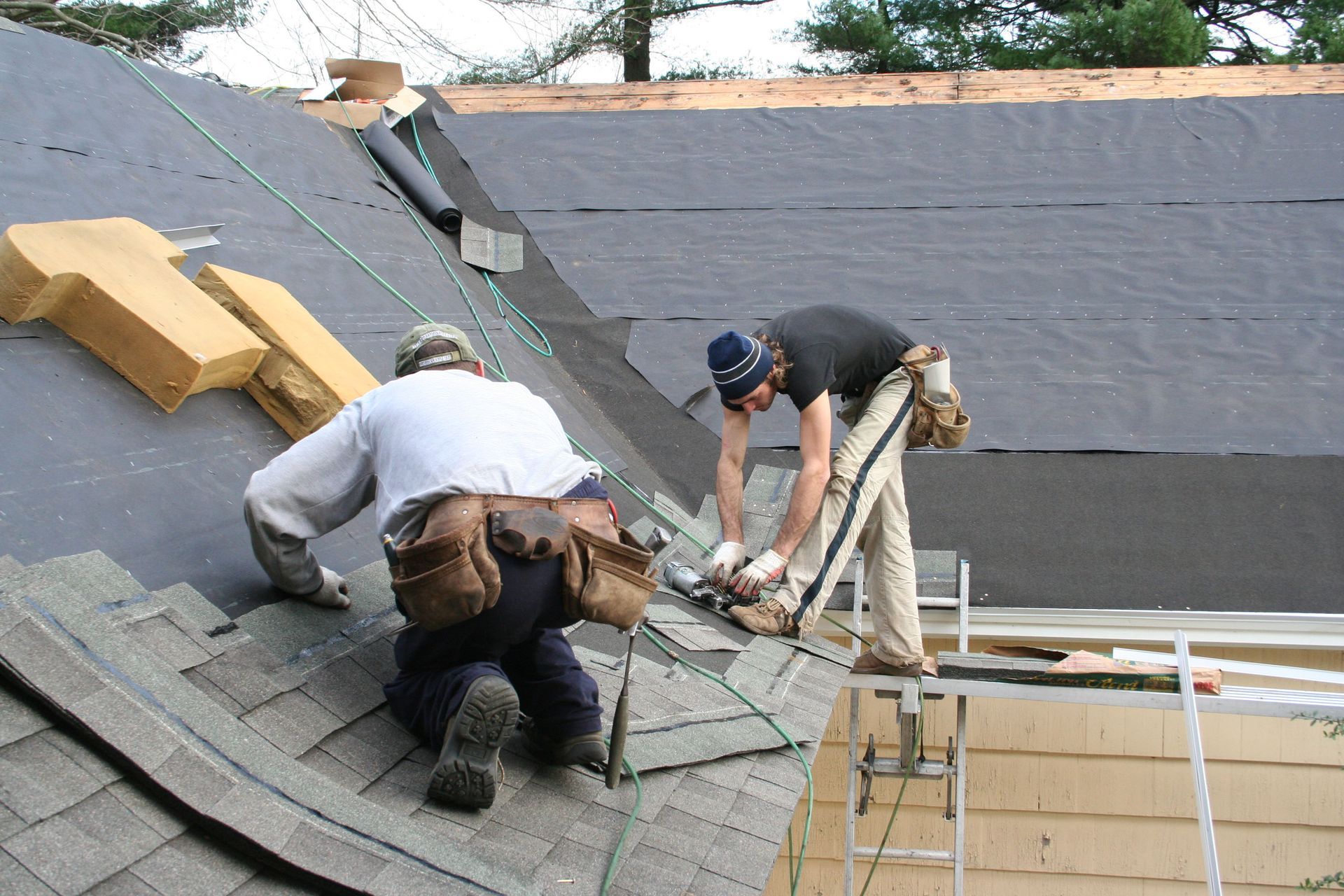
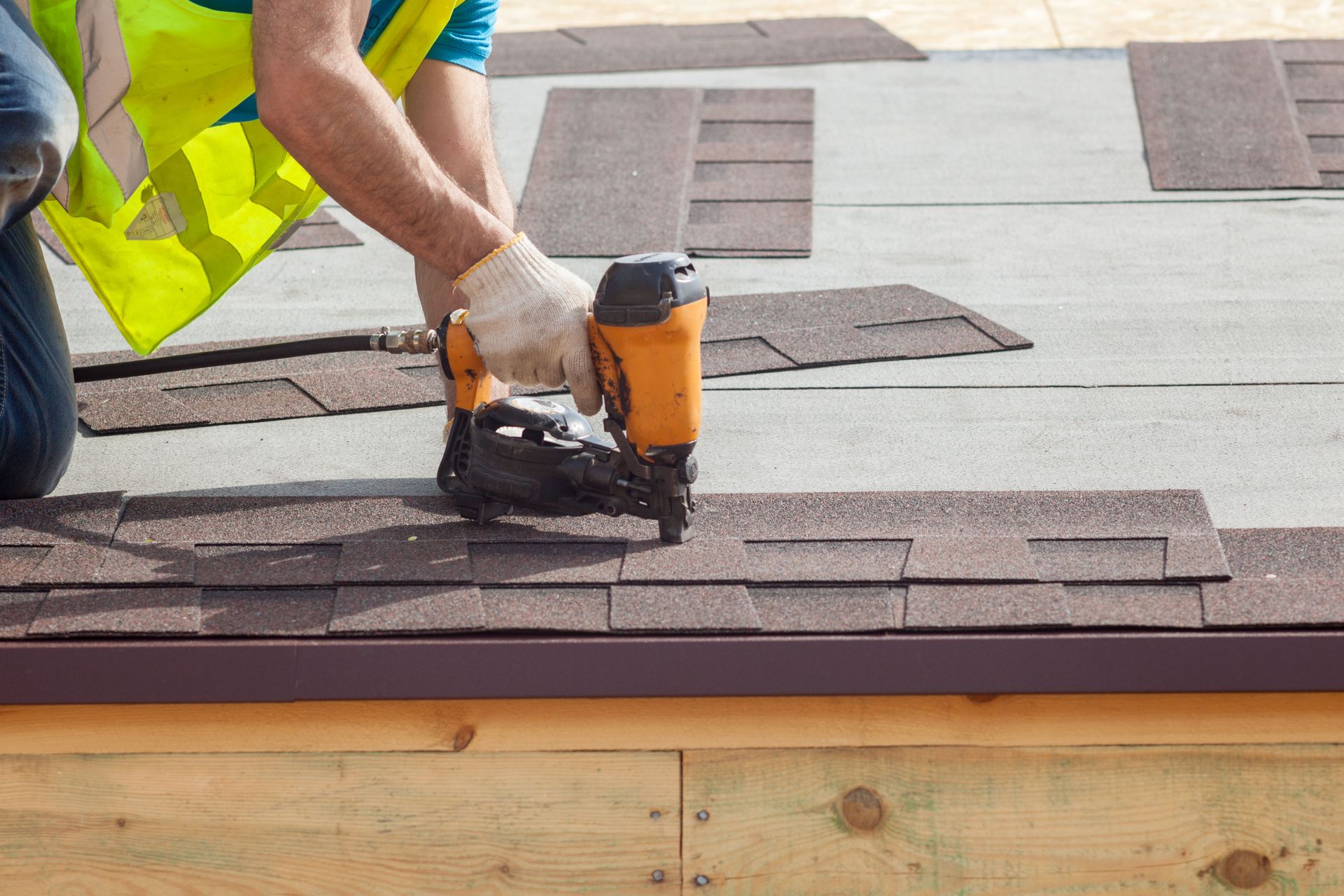
This localized knowledge influences everything from installation techniques to material recommendations. It also helps reduce the likelihood of premature wear caused by mismatched solutions. According to RubyHome, asphalt shingles are the most common roofing material, used in about 80% of roofing projects.
Because local roofers regularly work with materials suited to the area, they are more likely to recommend options that align with long-term durability rather than short-term convenience. This level of alignment contributes to more predictable outcomes and fewer complications over time, particularly in regions with more demanding weather cycles.
Building Community-Based Accountability
Operating within a specific geographic area naturally creates a level of accountability. Local roofers depend heavily on their reputation within the community, which can influence how they approach each project. Word-of-mouth referrals, repeat business, and local visibility all play a role in sustaining operations, making consistency a key priority.
This dynamic often leads to stronger communication, clearer expectations, and a more consistent approach to project management. Contractors who are part of the community tend to prioritize maintaining a positive standing, which directly impacts how projects are handled from start to finish.
Additionally, locally established companies often have long-standing roots in their service areas, reflecting sustained involvement within the region and ongoing relationships with local clients. This continuity can provide added confidence when selecting a contractor for ongoing property needs.
Responding Faster to Service Needs
Timeliness is a critical factor in roofing projects, especially when dealing with unexpected damage or weather-related issues. Local roofers are positioned to respond more quickly due to their proximity. This reduced travel time can significantly impact how fast inspections, assessments, and follow-up work are completed, particularly after severe weather events.
In urgent situations, a faster response can prevent minor issues from escalating into more extensive structural concerns. Local contractors are also more likely to maintain flexible scheduling to accommodate nearby clients, which improves overall efficiency and minimizes disruption.
For ongoing maintenance or inspections, having a nearby contractor simplifies coordination. This accessibility supports a more proactive approach to property care rather than reactive problem-solving, helping extend the overall lifespan of the roofing system.
Navigating Local Codes and Requirements
Every region has its own building codes, permitting requirements, and inspection standards. Local roofers typically have direct experience working within these frameworks, which reduces delays and administrative complications that can slow down a project.
Understanding municipal guidelines is essential for keeping projects compliant and avoiding costly revisions. Contractors who regularly work in the same jurisdiction are more familiar with documentation processes, inspection timelines, and regulatory expectations, which helps keep projects moving forward without unnecessary interruptions.
This familiarity contributes to smoother project execution and fewer interruptions. It also minimizes the risk of overlooked requirements that could affect the outcome or lead to additional corrections after completion.
Supporting Long-Term Property Value
Roofing work directly impacts property value, both in terms of structural integrity and visual appeal. Local roofers often have a better understanding of neighborhood standards and architectural trends, which can influence how a project is approached and completed.
Aligning roofing work with surrounding properties helps maintain consistency and can support long-term value. Contractors who regularly work within the same communities are more attuned to these considerations and can provide guidance that aligns with local expectations.
In addition, local roofers are more likely to remain available for future needs. Whether it involves follow-up inspections or additional work, having an established relationship with a nearby contractor simplifies ongoing property management and planning.
Strengthening Communication and Accessibility
Clear communication is a key factor in any construction-related project. Local roofers typically offer more direct and accessible communication channels due to their proximity and smaller service areas, which helps reduce delays in decision-making.
This accessibility can lead to quicker updates, more frequent check-ins, and improved coordination throughout the project timeline. It also allows for easier in-person discussions when needed, which can reduce misunderstandings and keep expectations aligned.
Working with local roofers often creates a more collaborative dynamic. Instead of navigating long-distance coordination, property owners can engage more directly with the contractor, leading to a smoother overall process and better alignment on project goals.
Delivering Consistency Across Projects
Consistency in workmanship and project execution is essential for achieving reliable results. Local roofers often rely on dedicated teams rather than rotating subcontractors, which helps maintain uniform standards across different projects.
Using in-house crews maintains consistency and standards across all projects. This approach supports better quality control and more predictable outcomes, especially when projects involve multiple phases or extended timelines.
Consistency also extends to processes, timelines, and communication practices. Contractors who operate within a defined service area tend to refine their workflows based on repeated experience, leading to more efficient project delivery and fewer unexpected challenges.
Encouraging Professional Guidance Over Guesswork
Roofing projects involve technical considerations that benefit from professional evaluation. Working with local roofers allows property owners to access guidance that is grounded in real-world experience within the same region, rather than relying on generalized information.
Instead of relying on broad assumptions, property owners can receive recommendations tailored to their specific environment and property conditions. This targeted approach reduces uncertainty and supports more informed decision-making throughout the project.
Seeking professional help from local roofers also helps identify underlying issues that may not be immediately visible. Early detection can prevent more extensive complications and contribute to better long-term performance and cost efficiency.
Reinforcing Reliability Through Local Presence
A contractor's physical presence within the community adds a layer of reliability. Local roofers are easier to verify, easier to contact, and more likely to maintain ongoing availability for future needs.
This presence reduces the risks associated with transient or out-of-area contractors who may not be accessible after project completion. Having a consistent point of contact within the region supports continuity and accountability throughout the lifecycle of the roof.
Local roofers also tend to have established relationships with nearby suppliers and partners, which can contribute to smoother project logistics, better coordination, and improved material availability when timing matters most.
Local roofers offer clear advantages rooted in proximity, regional knowledge, and community engagement. From faster response times to better alignment with local conditions, their approach supports more efficient and reliable project outcomes. These factors make them a practical choice for property owners seeking professional guidance and consistent results.
For those evaluating roofing contractors, connecting with local roofers remains one of the most effective ways to achieve dependable, long-term performance. Reach out to Peak Company Roofing to get started with a reliable team of local roofers!